
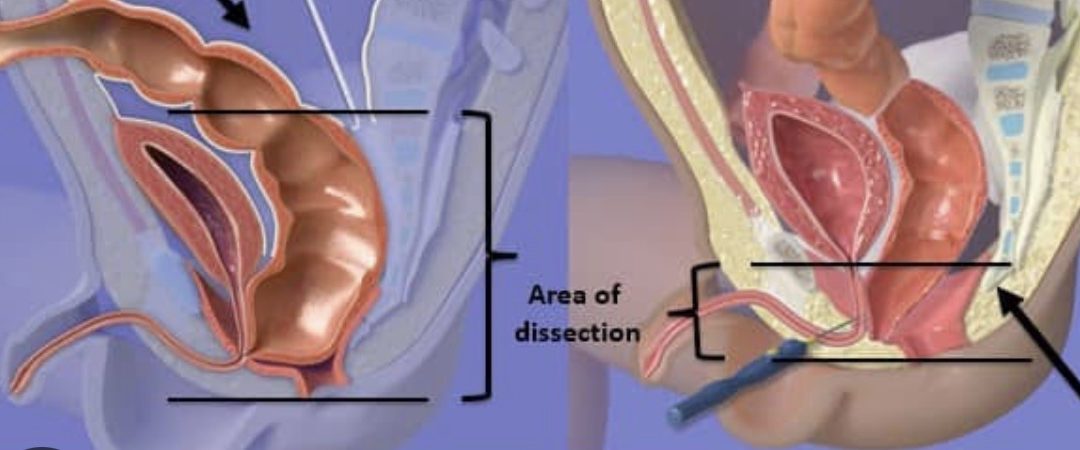
What Is Anorectal Malformation?
Anorectal malformation (ARM) is a congenital condition in which the anus and rectum do not develop normally before birth.
Functional outcome-
With modern surgical techniques such as Posterior Sagittal Anorectoplasty (PSARP), Laparoscopic-Assisted Anorectal Pull-Through (LAARP), and selected primary neonatal repairs, most children achieve excellent anatomical correction.However, successful surgery is only the beginning. Parents often ask:“Will my child be able to pass stool normally in the future?” The answer depends on the child’s functional outcome.
What Does Functional Outcome Mean?
Functional outcome refers to how well a child functions after surgery, including Ability to pass stool normally,Bowel continence (control over bowel movements),Presence of constipation,Fecal soiling,Quality of life and Independence in toileting.
What Influences Functional Outcome?
Several factors determine long-term bowel function like Type of anorectal malformation (low, intermediate, or high), Sacral development,Pelvic muscle quality,Associated spinal cord abnormalities,Presence of fistulas,Quality of surgical reconstruction and Long-term bowel management and follow-up
Low ARM vs High ARM
Low ARM
Most children with low ARM achieve Good bowel control,Normal toilet training,Excellent quality of life.
High or Complex ARM
Children with complex ARM are more likely to experience Chronic constipation,Fecal soiling,Reduced continence,and Need for long-term bowel management.
Common Long-Term Problems
Constipation: Constipation is the most frequent long-term issue.Symptoms include Hard stools, Painful bowel movements, Abdominal distension,Poor appetite.
Treatment may involve High-fiber diet,Adequate fluid intake,Laxatives,Regular follow-up.
Fecal Soiling: Some children may experience leakage of stool into their underwear.
This may result from Severe constipation with overflow,Weak bowel control mechanisms.
Proper assessment helps guide effective treatment.
Continence
Continence depends on Normal sacral development,Healthy sphincter muscles,Intact nerve supply,Well-performed surgery.
Every child is different, and continence improves gradually with growth in many cases.
What Is a Bowel Management Program?
Children with persistent bowel dysfunction often benefit from a structured bowel management program.This may include Dietary modification,Laxatives, Rectal enemas, Transanal irrigation,Scheduled toilet trainingand Regular follow-up.
These programs help many children remain clean throughout the day, attend school confidently, and enjoy a normal social life.
Why Is Long-Term Follow-up Important?
Treatment does not end after surgery.
Long-term follow-up allows your pediatric surgeon to monitor Growth and nutrition,Bowel habits, Constipation, Continence, Soiling
l, Anal stenosis andQuality of life.
Many children benefit from follow-up into adolescence.
Tips for Parents: Never ignore constipation. Give prescribed medications regularly.
Encourage your child during toilet training.
Attend every follow-up appointment.
Frequently Asked Questions
Will every child have normal bowel control?
Many children achieve good bowel control, but outcomes depend on the type of ARM and associated anatomical factors.
Can soiling improve?
Yes. With appropriate bowel management and long-term follow-up, many children experience significant improvement.
Will my child lead a normal life?
Most children attend school, participate in sports, and enjoy a healthy, active life. Some may require ongoing bowel management, but this usually allows excellent quality of life.
Successful treatment of anorectal malformation extends far beyond the operation itself. With expert surgery, dedicated long-term follow-up, effective bowel management, and strong family support, most children can achieve excellent bowel function and enjoy a full, active, and confident life.
One of the most important messages for parents is that functional outcomes improve over time. Bowel control, toilet training, and continence often continue to develop throughout childhood. Close partnership between the family, pediatric surgeon, and bowel management team is the key to achieving the best possible long-term outcome.