
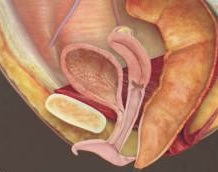
Anorectal malformation (ARM) with a vestibular fistula is a common variant in girls, where the rectum opens into the vestibule instead of the normal anal position. Traditionally, treatment involved three stages (colostomy → definitive repair → colostomy closure). With improved neonatal care and surgical expertise, many babies can now undergo a single-stage repair (primary PSARP/anterior sagittal anorectoplasty)—avoiding a colostomy in selected cases.
Who is a Candidate for One-Stage Repair? (Selection Criteria)
Careful selection is the key to safety.Favorable criterias-
- Clinically vestibular fistula (low/intermediate lesion)
- Good general condition (hemodynamically stable, no sepsis)
- No major associated anomalies requiring urgent management (cardiac/renal/spinal assessed)
- Minimal abdominal distension, no enterocolitis
- Reasonable local anatomy (well-defined sphincter complex on exam)
- Early presentation (ideally neonatal/early infancy)
- Availability of experienced pediatric surgical team and peri-operative care
Relative contraindications
- Severe distension, obstruction, or suspected enterocolitis
- Very dilated colon with fecal loading
- Significant associated anomalies (e.g., unstable cardiac disease)
- Late presentation with poor bowel preparation
- Lack of experienced team/support
In such cases, a staged approach (initial colostomy) is safer.
What is Done in One-Stage Repair?
A definitive operation (commonly PSARP/anterior sagittal approach) is performed:
- Identification of the rectal pouch
- Precise placement of the rectum within the sphincter complex
- Creation of a neo-anus at the correct site
- No colostomy is created
Benefits of One-Stage Repair
✔ Avoids colostomy (no stoma care, no second/third surgery)
Shorter overall treatment course
Better parental acceptance and bonding
Reduced cost and hospital visits
Early establishment of near-normal anatomy and function
Risks and Complications
Like any surgery, risks exist:
- Wound infection / dehiscence
- Anal stenosis (narrowing)
- Mucosal prolapse
- Constipation or soiling
- Urethral/vaginal injury (rare, technique-dependent)
- Missed associated anomalies
- Enterocolitis (rare but important)
How Do We Reduce These Risks? (Risk Mitigation)
Before surgery
- Careful clinical assessment and screening (cardiac, renal, spine)
- Bowel preparation (gentle washes if needed)
- Treat any infection/enterocolitis first
- Proper case selection
During surgery
- Performed by experienced pediatric surgeons
- Accurate midline dissection and identification of sphincter
- Gentle tissue handling; meticulous hemostasis
- Correct positioning of neo-anus
After surgery
- Wound care and hygiene
- Timely start of anal dilatation program (as advised)
- Adequate pain control
- Early, appropriate feeding
- Close follow-up to detect stenosis/constipation early
Long-Term Outcomes
With proper technique and follow-up, many children achieve:
- Good bowel control
- Acceptable cosmetic outcome
- Manageable constipation with diet/medication
Key Message
One-stage repair in vestibular fistula is safe and effective in selected patients
Correct selection + expert surgery + proper follow-up = best outcomes
Dr. Md Samiul Hasan
Associate Professor (Pediatric Surgery) Bangladesh Shishu Hospital and Institute
Neonatal & Pediatric Surgery and Pediatric Urology Specialist
www.drsamiulhasan.com